

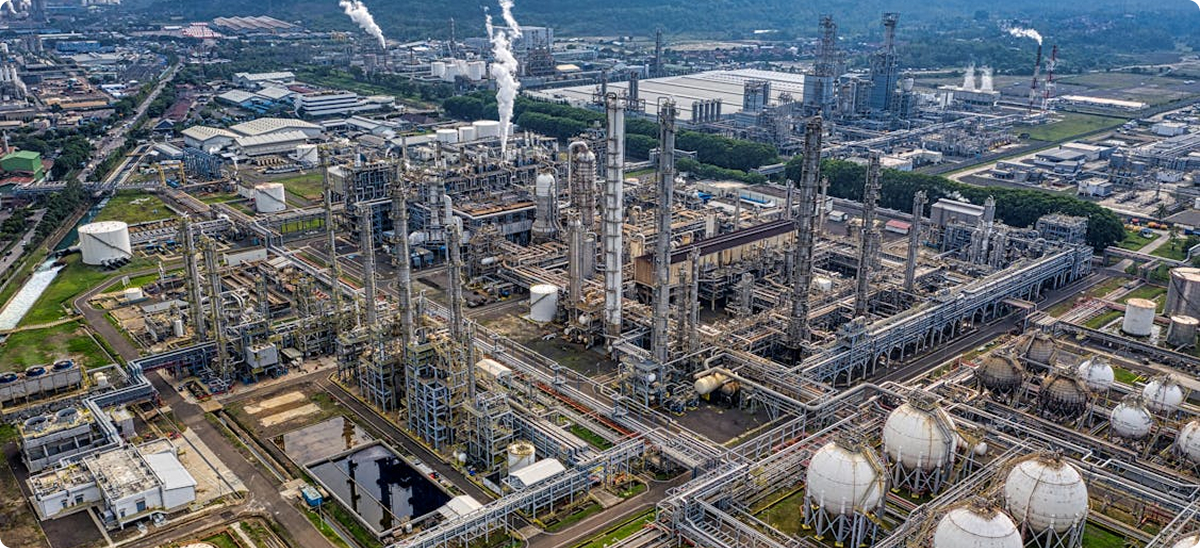
The global oil and gas industry is rapidly evolving with the integration of advanced technologies that improve efficiency, safety, and sustainability. Modern oil refineries are no longer limited to traditional processing methods; they now rely on intelligent automation, data analytics, and digital monitoring systems to manage complex operations.
Automation has become a key component of modern refinery operations. Advanced control systems help monitor temperature, pressure, and production levels in real time, reducing the chances of operational errors and equipment failures. Automated machinery and robotic systems also improve workplace safety by minimizing human exposure to hazardous environments. With smart automation, refineries can achieve higher productivity, reduced downtime, and more consistent fuel quality.
Reliable energy infrastructure is not just about transportation — it’s about maintaining safety, operational efficiency, and long-term industrial performance across global operations.
1. Digital Monitoring and Predictive Maintenance
Oil refineries are increasingly adopting digital technologies such as sensors, cloud computing, and predictive maintenance systems. These technologies continuously collect operational data from refinery equipment and analyze it to identify potential issues before they become major problems. Predictive maintenance helps reduce unexpected shutdowns, extend equipment lifespan, and lower maintenance costs.
2. Sustainable Energy Practices in Refineries
Environmental sustainability has become a major focus for global refinery operations. Modern refineries are implementing cleaner technologies to reduce carbon emissions, improve energy efficiency, and minimize waste generation. Advanced filtration systems, energy recovery units, and eco-friendly fuel production methods help companies align with international environmental regulations.
3. Maintain Industry-Certified Safety Standards
Following strict safety protocols and compliance systems helps businesses maintain secure operational environments and reduce infrastructure risks.
4. Optimize Pipeline Transportation Systems
Modern pipeline technologies improve transportation reliability, maintain uninterrupted energy flow, and support large-scale industrial operations worldwide.
5. Invest in Scalable Energy Infrastructure
Scalable infrastructure systems help industries support growing operational demands while maintaining long-term performance and reliability.
6. Use Predictive Maintenance Technologies
Predictive monitoring systems allow industries to detect potential operational issues before failures occur, reducing downtime and maintenance costs.
7. Support Sustainable Industrial Energy Operations
Integrating energy-efficient systems and smart infrastructure technologies helps industries maintain environmentally responsible operational performance.


Really insightful post on how advanced technology is improving efficiency and safety across modern refineries. Great read!
Excellent overview of how digital innovation is transforming global energy operations. Very informative and well explained.
I enjoyed the focus on smart refinery systems and operational performance. Technology is clearly shaping the future of the energy sector.