

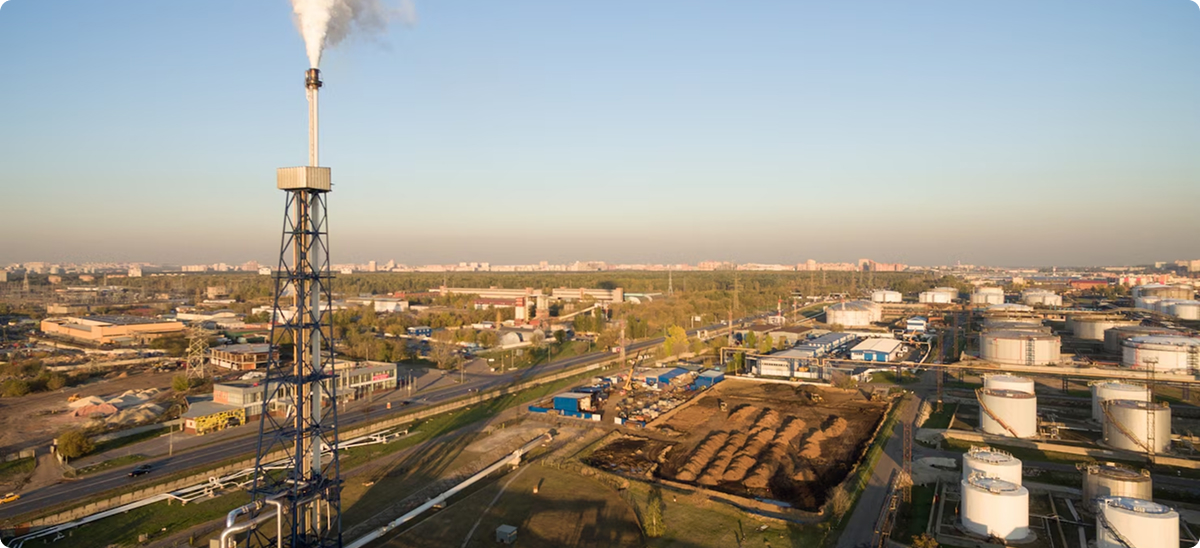
The oil refinery industry plays a critical role in supporting global energy demands and industrial development. Behind every efficient refinery operation lies a foundation of advanced engineering expertise, strategic planning, and modern infrastructure design. From processing crude oil into usable fuels to ensuring environmental compliance and operational safety, engineering professionals are responsible for building systems that deliver reliable performance under challenging conditions. As energy needs continue to rise worldwide, engineering innovation remains essential for creating dependable and sustainable refinery infrastructure.
Oil refineries are among the most technically demanding industrial facilities in the world. Every section of a refinery — including distillation units, storage systems, pipelines, heat exchangers, and control rooms — must be carefully engineered for accuracy and efficiency. Engineers use advanced technologies, simulations, and process calculations to design systems capable of handling high temperatures, pressure variations, and continuous production cycles. Proper engineering design helps reduce downtime, optimize fuel output, and maintain safe operations across the entire facility.
Reliable energy infrastructure is not just about transportation — it’s about maintaining safety, operational efficiency, and long-term industrial performance across global operations.
1. Advanced Technology Driving Operational Efficiency
Modern refinery infrastructure depends heavily on automation and intelligent monitoring systems. Engineers integrate advanced control technologies, real-time monitoring software, and predictive maintenance tools to improve operational reliability. These technologies help refinery operators identify potential issues before failures occur, minimizing costly disruptions and improving productivity.
2. Safety Engineering as a Core Priority
Advanced automation technologies and intelligent operational systems improve refinery accuracy, reduce downtime, and optimize industrial energy performance.
3. Sustainable Engineering for Future Energy Demands
As the energy industry evolves, engineering professionals are focusing more on sustainability and environmental responsibility. Modern refinery projects incorporate cleaner technologies, emission reduction systems, wastewater treatment solutions, and energy recovery processes to reduce environmental impact.
4. Optimize Pipeline Transportation Systems
Modern pipeline technologies improve transportation reliability, maintain uninterrupted energy flow, and support large-scale industrial operations worldwide.
5. Invest in Scalable Energy Infrastructure
Scalable infrastructure systems help industries support growing operational demands while maintaining long-term performance and reliability.
6. Use Predictive Maintenance Technologies
Predictive monitoring systems allow industries to detect potential operational issues before failures occur, reducing downtime and maintenance costs.
7. Support Sustainable Industrial Energy Operations
Integrating energy-efficient systems and smart infrastructure technologies helps industries maintain environmentally responsible operational performance.


Really informative article on the engineering precision required in modern refinery infrastructure. The focus on safety and efficiency was especially impressive.
Excellent insights into how strong engineering practices support long-term energy reliability. A well-written and engaging read.
Great breakdown of the technical expertise involved in refinery operations and infrastructure development. Very professional content.