

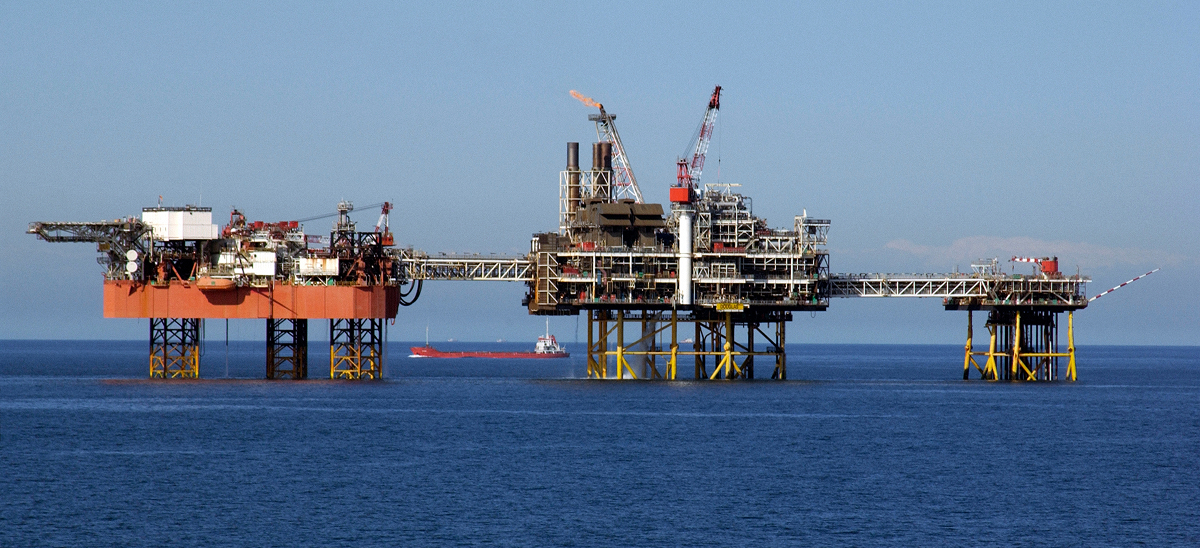
Offshore energy infrastructure plays a vital role in supporting the increasing global demand for energy across industrial sectors. As industries continue to expand and modernize, the need for reliable fuel production, storage, and transportation systems has become more important than ever. Offshore facilities such as drilling platforms, subsea pipelines, floating production units, and marine terminals are designed to operate in challenging environments while ensuring continuous energy supply. These advanced systems help oil refineries and energy companies maintain stable production and meet future industrial demands efficiently.
Modern offshore energy projects are built using highly advanced engineering technologies that can withstand extreme ocean conditions, including strong waves, corrosive saltwater, and severe weather events. Engineers carefully design every structure to ensure safety, durability, and operational efficiency over long periods. From reinforced steel platforms to automated monitoring systems, offshore infrastructure combines innovation with precision engineering. This approach allows energy companies to reduce operational risks while improving productivity and environmental performance in offshore oil and gas operations.
Digital transformation has significantly improved the way offshore energy infrastructure operates. Smart sensors, remote monitoring systems, artificial intelligence, and predictive maintenance technologies now help companies monitor equipment performance in real time.
1. Real-Time Monitoring and Control Integration
Modern oil refineries rely on integrated monitoring platforms that connect CCTV systems, alarm systems, access control, and operational sensors into one centralized dashboard. This centralized approach allows safety teams to observe refinery activities in real time and respond quickly to abnormal conditions.
2. Access Control for Restricted Industrial Areas
Oil refinery facilities contain multiple restricted zones that require strict security measures. Smart access control systems use biometric authentication, RFID cards, facial recognition, and automated gate barriers to manage employee and visitor entry. These systems ensure that only authorized personnel can enter hazardous or sensitive operational areas.
3. Predictive Maintenance Through Smart Sensors
Unexpected equipment failures can lead to production downtime, safety hazards, and costly repairs in refinery operations. Smart safety systems equipped with IoT sensors continuously monitor machinery performance, vibration levels, temperature, and pressure conditions. Predictive maintenance technology analyzes collected data to identify early warning signs of equipment malfunction.
4. Optimize Pipeline Transportation Systems
Modern pipeline technologies improve transportation reliability, maintain uninterrupted energy flow, and support large-scale industrial operations worldwide.
5. Invest in Scalable Energy Infrastructure
Scalable infrastructure systems help industries support growing operational demands while maintaining long-term performance and reliability.
6. Use Predictive Maintenance Technologies
Predictive monitoring systems allow industries to detect potential operational issues before failures occur, reducing downtime and maintenance costs.
7. Support Sustainable Industrial Energy Operations
Integrating energy-efficient systems and smart infrastructure technologies helps industries maintain environmentally responsible operational performance.


Really informative article on modern refinery safety systems. The focus on real-time monitoring and risk prevention was especially useful.
Excellent overview of how smart safety technologies are improving efficiency and protecting workers in industrial energy operations. Very well explained.
A concise and insightful read highlighting the importance of automation and safety integration in oil refinery environments. Great content!