

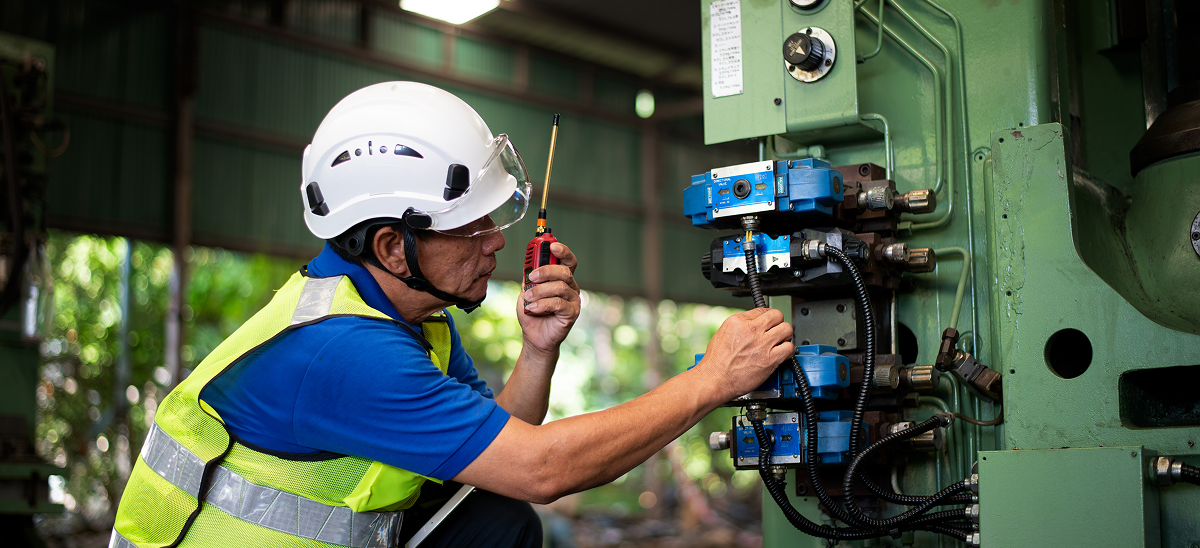
The oil and gas industry is rapidly embracing automation to improve the efficiency, safety, and accuracy of drilling operations. Advanced technologies such as artificial intelligence, robotics, machine learning, and real-time monitoring systems are transforming how drilling sites operate across the globe. Automated drilling solutions help companies reduce operational delays, minimize human error, and optimize overall performance. As energy demands continue to rise, automation has become an essential part of modern refinery and upstream operations.
Automation systems enable drilling equipment to operate with greater precision than traditional manual methods. Smart drilling technologies can monitor pressure, temperature, and drilling speed in real time, allowing operators to make quick adjustments when necessary. Automated directional drilling systems also improve well placement accuracy, helping companies reach oil and gas reserves more effectively. This level of precision reduces waste, lowers operational costs, and increases production efficiency.
Reliable energy infrastructure is not just about transportation — it’s about maintaining safety, operational efficiency, and long-term industrial performance across global operations.
1. Implement Smart Infrastructure Monitoring
Real-time monitoring systems help industries track operational performance, identify risks early, and maintain efficient pipeline and infrastructure operations.
2. Improve Operational Efficiency Through Automation
Advanced automation technologies and intelligent operational systems improve refinery accuracy, reduce downtime, and optimize industrial energy performance.
3. Maintain Industry-Certified Safety Standards
Following strict safety protocols and compliance systems helps businesses maintain secure operational environments and reduce infrastructure risks.
4. Optimize Pipeline Transportation Systems
Modern pipeline technologies improve transportation reliability, maintain uninterrupted energy flow, and support large-scale industrial operations worldwide.
5. Invest in Scalable Energy Infrastructure
Scalable infrastructure systems help industries support growing operational demands while maintaining long-term performance and reliability.
6. Use Predictive Maintenance Technologies
Predictive monitoring systems allow industries to detect potential operational issues before failures occur, reducing downtime and maintenance costs.
7. Support Sustainable Industrial Energy Operations
Integrating energy-efficient systems and smart infrastructure technologies helps industries maintain environmentally responsible operational performance.


Great insights on the importance of safety compliance in refinery operations. A strong safety culture really helps protect both workers and the environment.
Very informative article! Safety standards are absolutely essential in the oil and gas industry to ensure smooth and reliable operations.
Excellent read. The focus on compliance and risk prevention highlights how critical proper safety management is in modern refinery projects.